


Dr. Zoie Bunch earned her PhD degree!
It’s been an absolute joy to watch Zoie grow into the incredible scholar she is today. We wish Zoie all the best in the next exciting chapter of her life!
It’s been an absolute joy to watch Zoie grow into the incredible scholar she is today. We wish Zoie all the best in the next exciting chapter of her life!
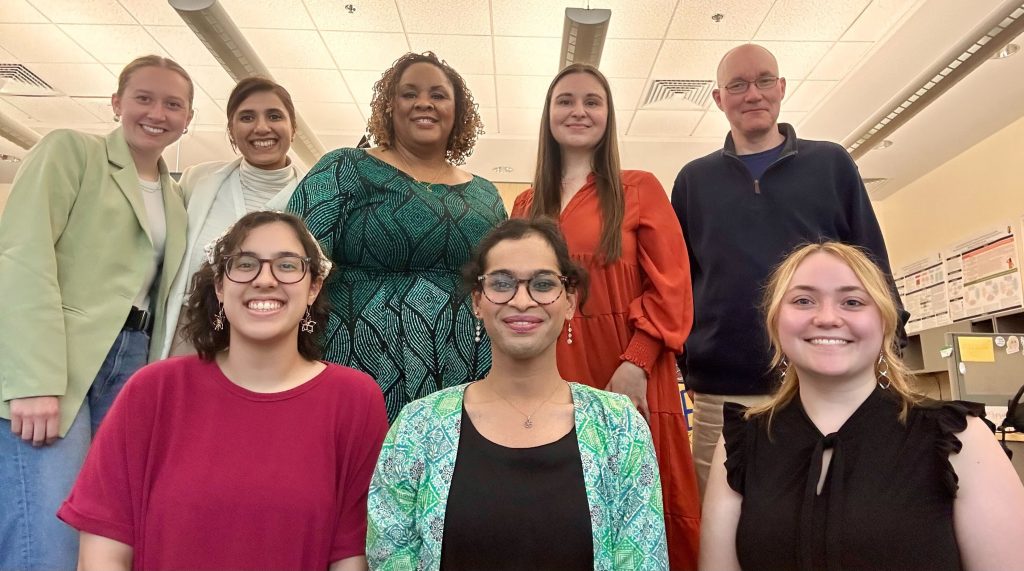
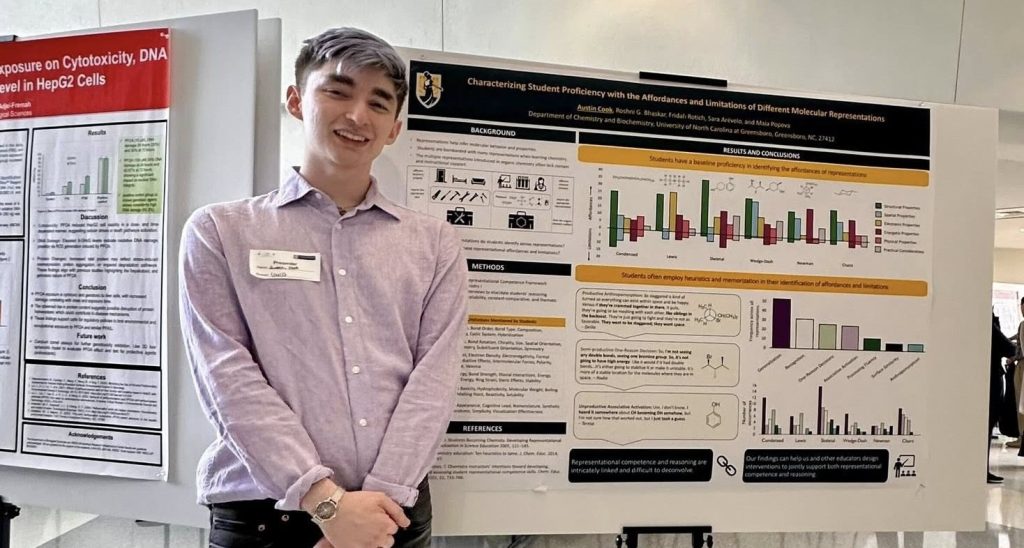
Big congratulations to our post-bacc student, Austin Cook, who presented two posters in Spring 2025 and took home 3rd place at the 23rd Annual Poster Vendor Night, Joint School of Nanoscience and Nanoengineering (JSNN)! We’re so proud of his hard work, curiosity, and commitment to research. Way to go, Austin!
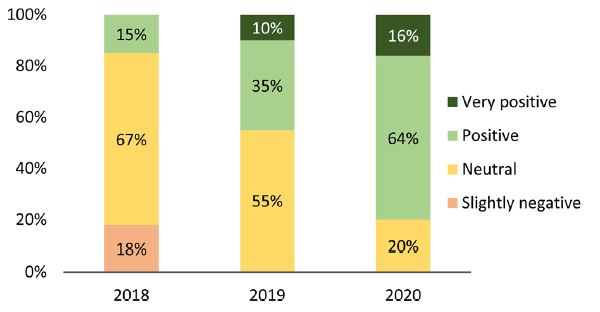
Shi, L., Stachl, C., Popova, M.*, Linking departmental climate to the sense of belonging of chemistry graduate students and postdocs: Evaluation and insights from the DCaDEI survey. Chem. Educ. Res. Pract., DOI: 10.1039/D4RP00322E The Department of Chemistry at the University of California, Berkeley, created a survey, which we refer to as the Departmental Climate… Continue reading…

PI Maia Popova, her graduate student, Roshni G. Bhaskar, and co-PI David von Dohlen won internal funding to develop an intervention to support organic chemistry student representational competence and reasoning with multiple representations. While much research has been done on representational competence, there remains a pressing need for practical tools… Continue reading…

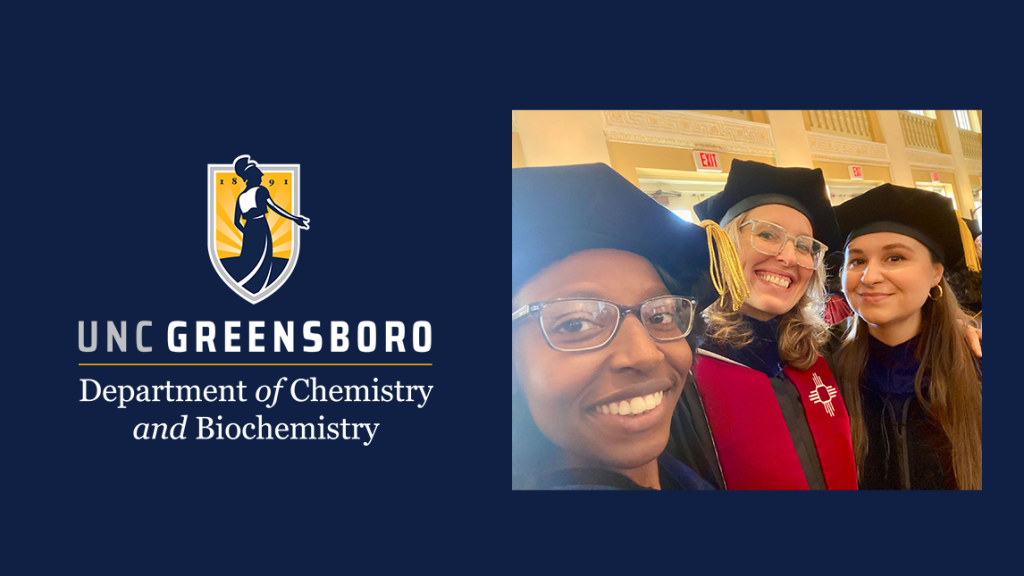
Congratulations to Dr. Fridah Rotich! Photos from the ceremony on December 12, 2024.
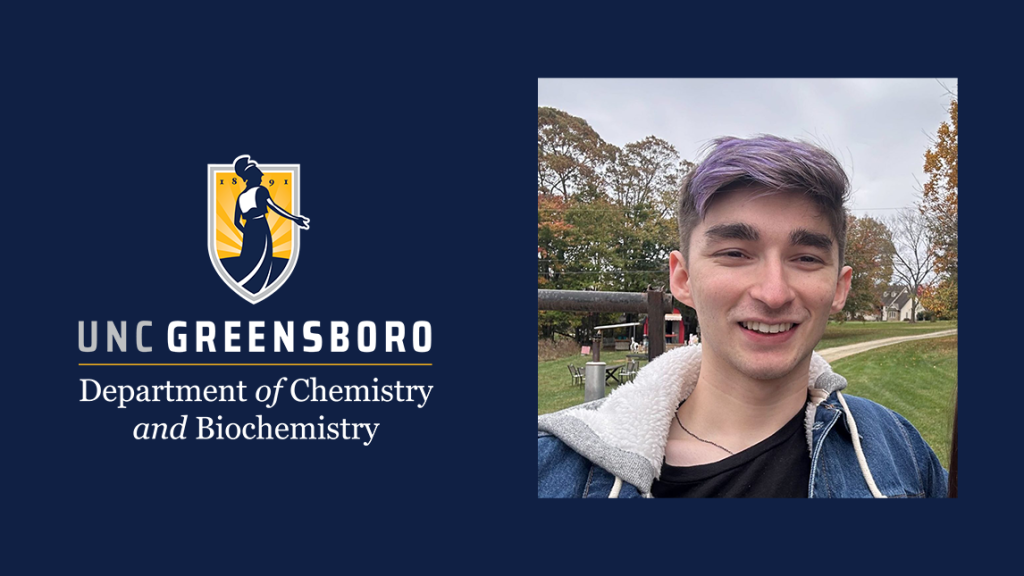
Austin Cook won funding through the Undergraduate Research and Creativity Award (URCA) program to support his work on a project titled Characterizing Student Proficiency with the Affordances and Limitations of Multiple Organic Chemistry Representations! Austin will also participate in the 2025 Thomas Undergraduate Research and Creativity Expo on April 10,… Continue reading…
Symmetry is a fundamental concept in inorganic chemistry, playing a key role in understanding how molecules behave and interact. However, we know surprisingly little about how it is taught or what influences instructors’ choices in covering symmetry. To explore this, we observed 14 inorganic chemistry instructors from various institutions, analyzing… Continue reading…

https://pubs.rsc.org/en/content/articlepdf/2024/RP/D3RP00188A This paper describes the design and evaluation of the Organic chemistry Representational Competence Assessment (ORCA). Grounded in Kozma and Russell’s representational competence framework, the ORCA measures the learner’s ability to interpret, translate, and use six commonly used representations of molecular structure (condensed structures, Lewis structures, skeletal structures, wedge-dash diagrams,… Continue reading…