

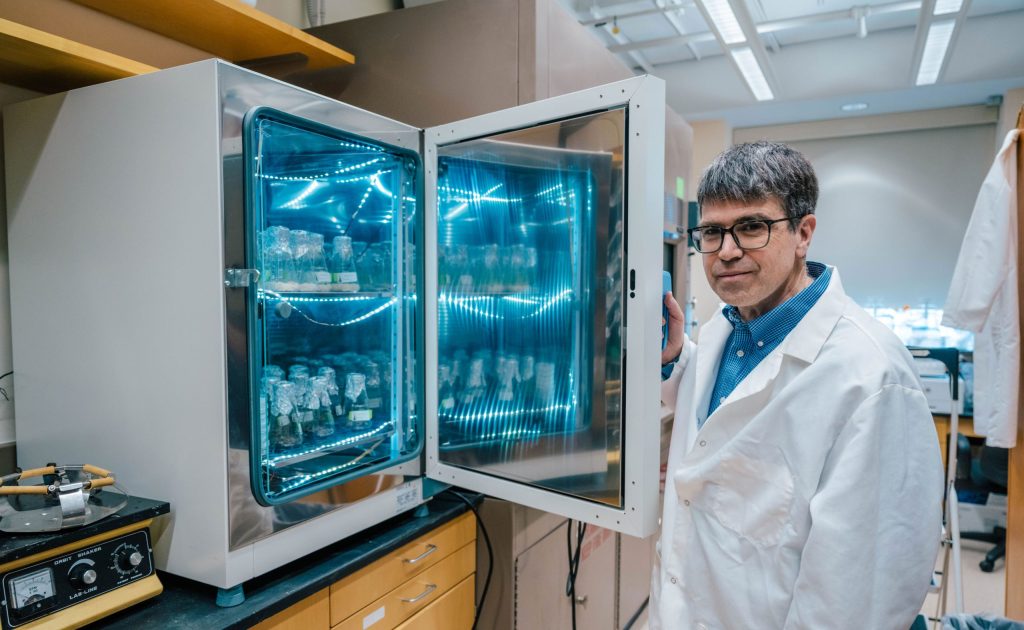
Unlocking Nature’s Secrets
2024 Senior Research Excellence Awardee Oberlies discusses big ideas behind natural products chem, the teamwork driving drug discovery, and mentorship.
2024 Senior Research Excellence Awardee Oberlies discusses big ideas behind natural products chem, the teamwork driving drug discovery, and mentorship.

Dr. Oberlies’ lab is searching for cancer-fighting compounds in fungi, advancing research on medicinal herbs, and exploring how fungal chemistry could make electricity cheaper and safer.
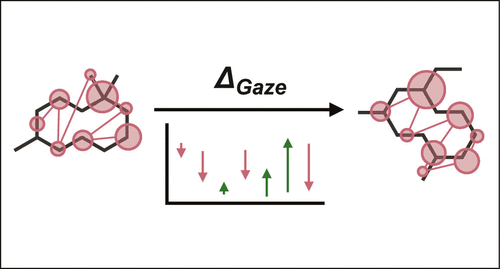
Langner, A., Sahba, M., Popova, M., Graulich, N.,* Adapting new methodological perspectives: An integrated approach for characterizing organic chemistry students’ changes in eye movements, J. Chem. Educ., 2025, Advance Article. Although the use of representations is crucial for problem-solving in chemistry, students often encounter challenges when using them. Hence, various interventions have been designed… Continue reading…
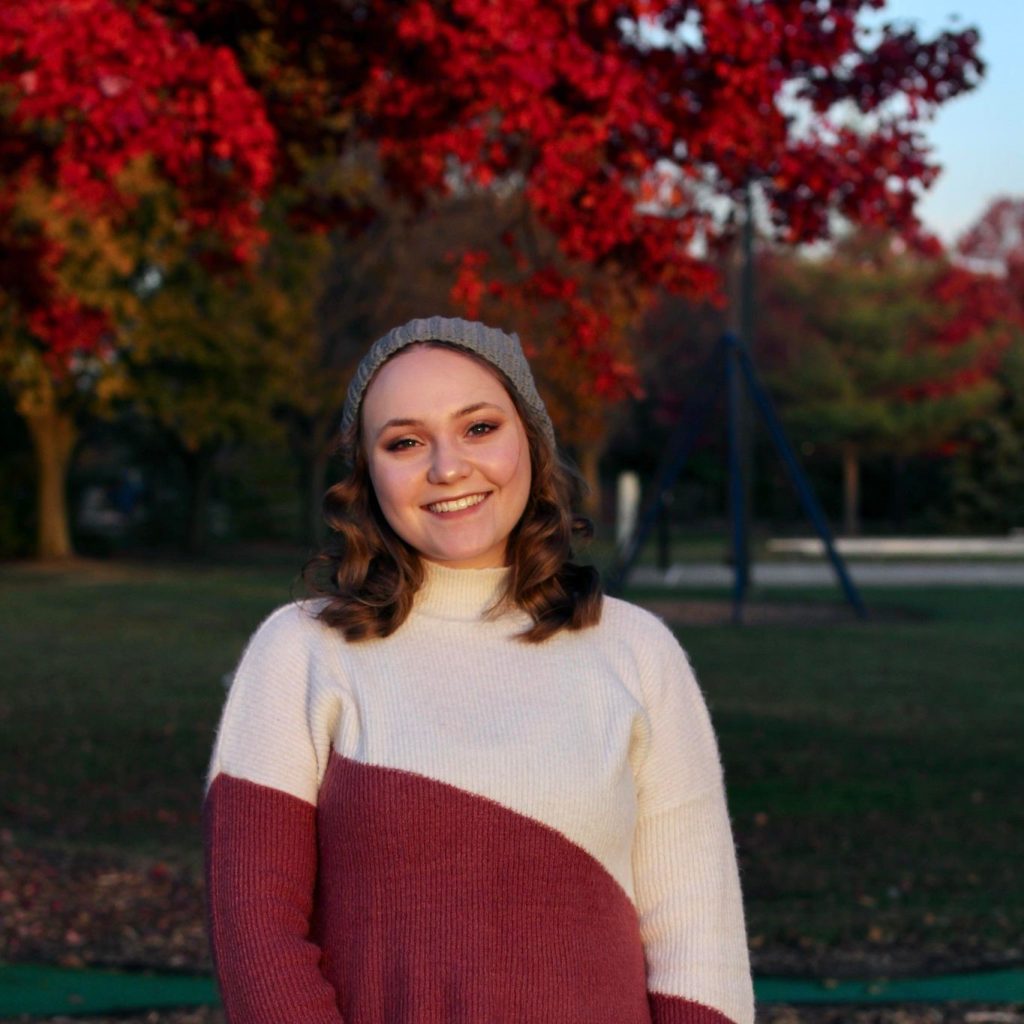
Meghan Kelly won one of 25 Munroe Research Awards from the UNCG’s College of Arts & Sciences Office of Research! Dorothy Levis Munroe graduated as a chemistry major from UNCG in 1944, along with her twin sister Katheryne Levis McCormick. Munroe went on to earn a master’s in chemistry, teach… Continue reading…
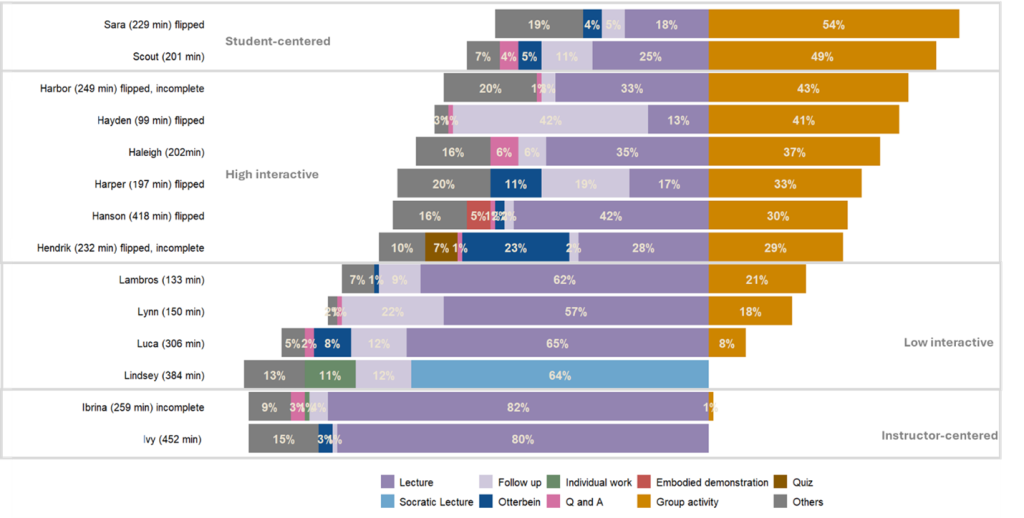
Shi, L., Hillborn, S., Pazicni, S., Popova, M.*, Different instructors—different symmetry: Variation in instructional approaches and content emphasis in inorganic chemistry, Chem. Educ. Res. Pract., 2025, Advance Article. Symmetry is a foundational concept in inorganic chemistry, essential for understanding molecular properties and interactions. Yet, little is known about how instructors… Continue reading…
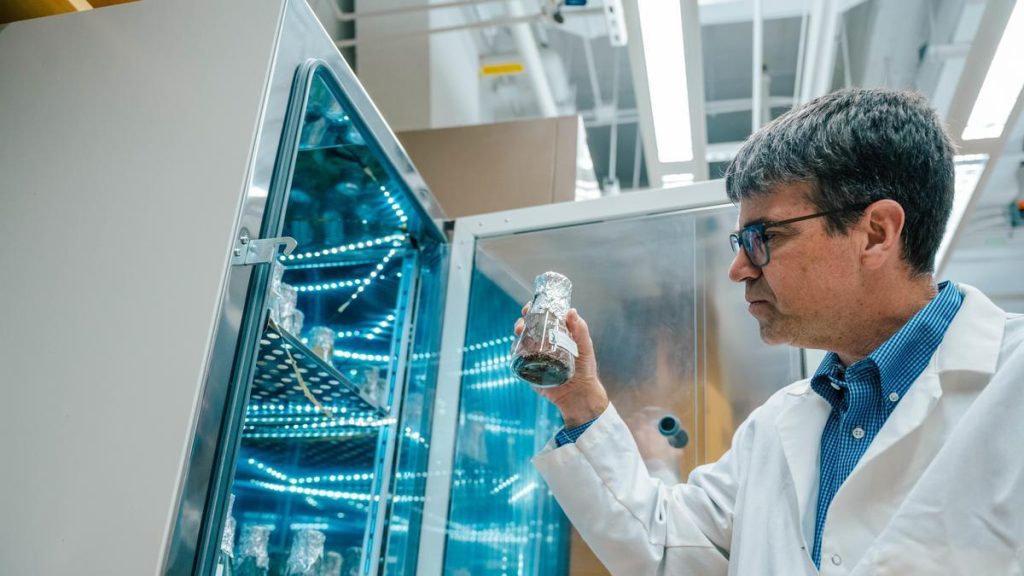
Dr. Nicholas Oberlies has received a new grant from Luna Labs as part of a new NASA STTR (Small Business Technology Transfer) grant. The project — “Extraterrestrial Fungal Brickworks” — will seek to “develop and optimize mycelia-based building materials for lunar and Martian habitats.” The Oberlies Lab will contribute expertise in mycological analysis.
At one point it was number 6!

Dr. Liam Duffy has received a new R&D grant from NCInnovation, a public-private partnership designed to accelerate and commercialize innovative research emerging from North Carolina’s universities.
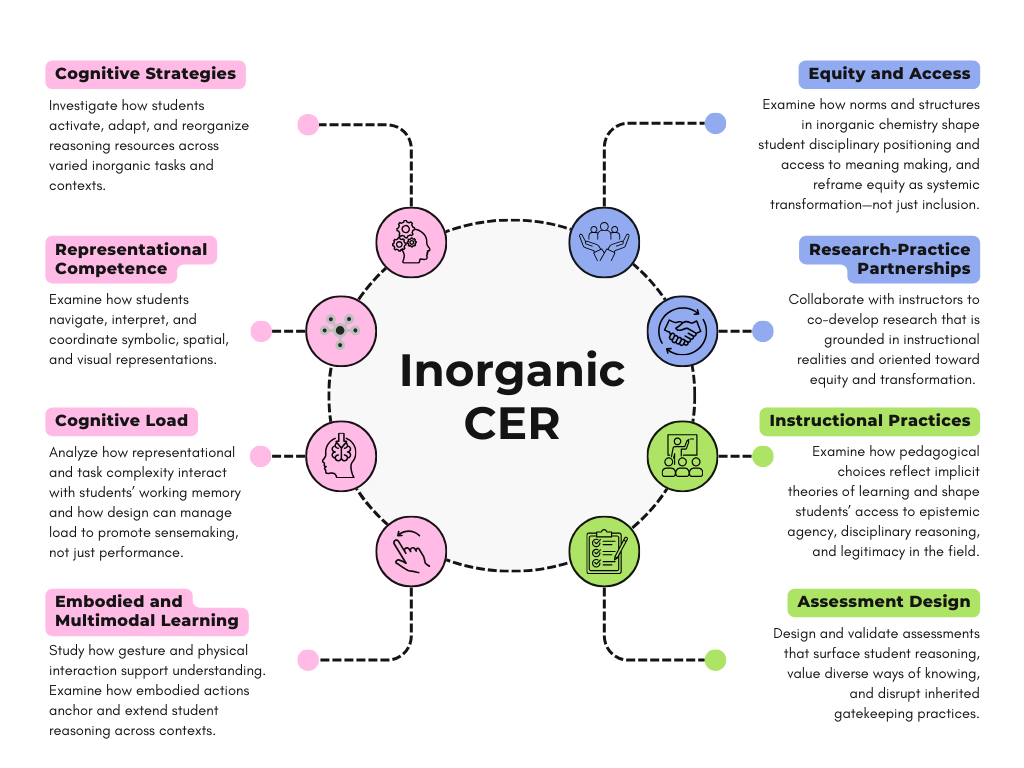
Pazicni, S.,* Popova, M., Making the case for inorganic chemistry education research: Insights from symmetry, Comments on Inorganic Chemistry, 1–19. https://doi.org/10.1080/02603594.2025.2523259 Chemistry Education Research has transformed how we understand and improve student learning in general and organic chemistry, but inorganic chemistry remains understudied. This gap persists even though inorganic instruction involves complex representational… Continue reading…
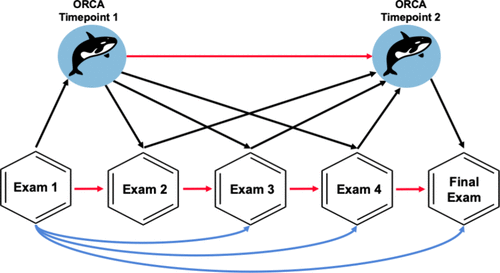
Crowder, C. J., Ward, L., Popova, M., Komperda, R., Rotich, F., Raker, J. R.*, Testing a reciprocal causation model between the Organic chemistry Representational Competence Assessment (ORCA) and academic performance in postsecondary organic chemistry. J. Chem. Educ., doi.org/10.1021/acs.jchemed.5c00169 Representations are an integral component of organic chemistry education and practice. Learning… Continue reading…