

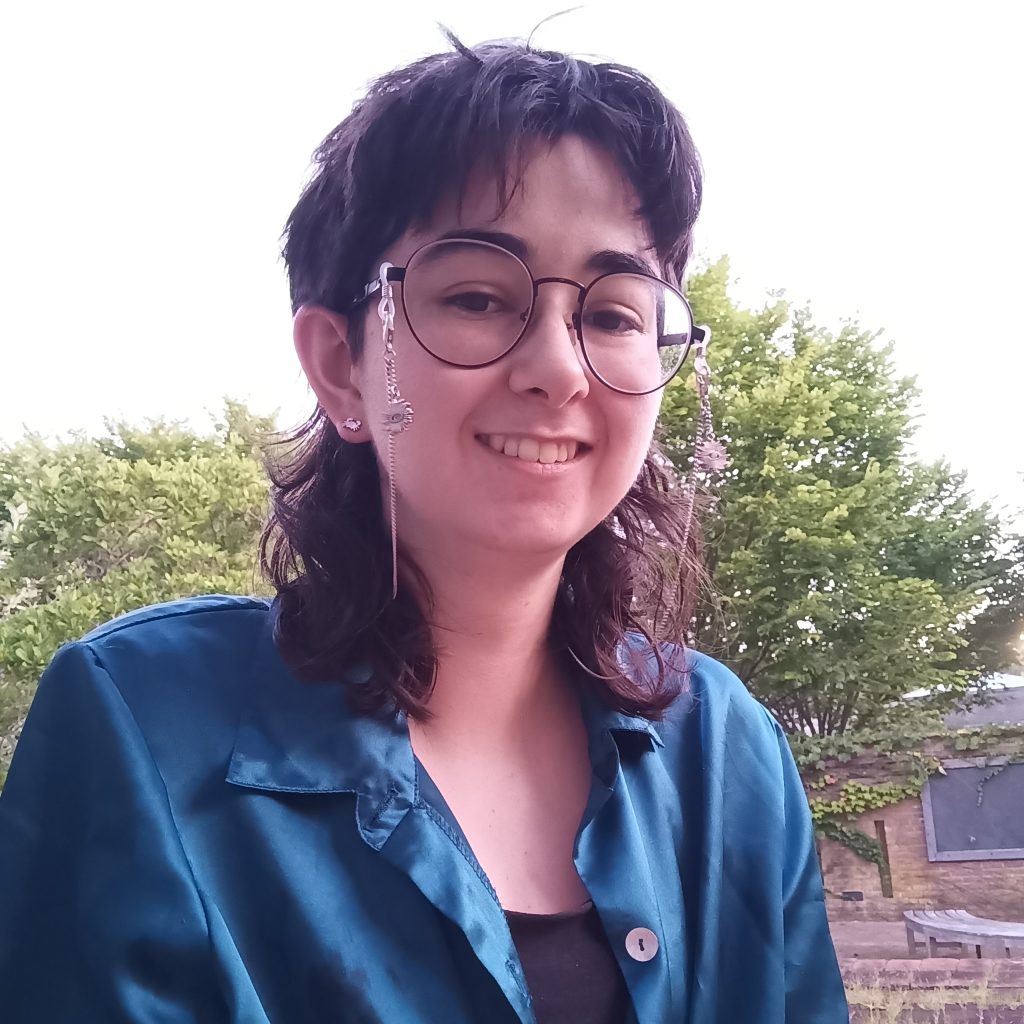
Emile Walker joined our group!
Welcome aboard, Emile!
Welcome aboard, Emile!
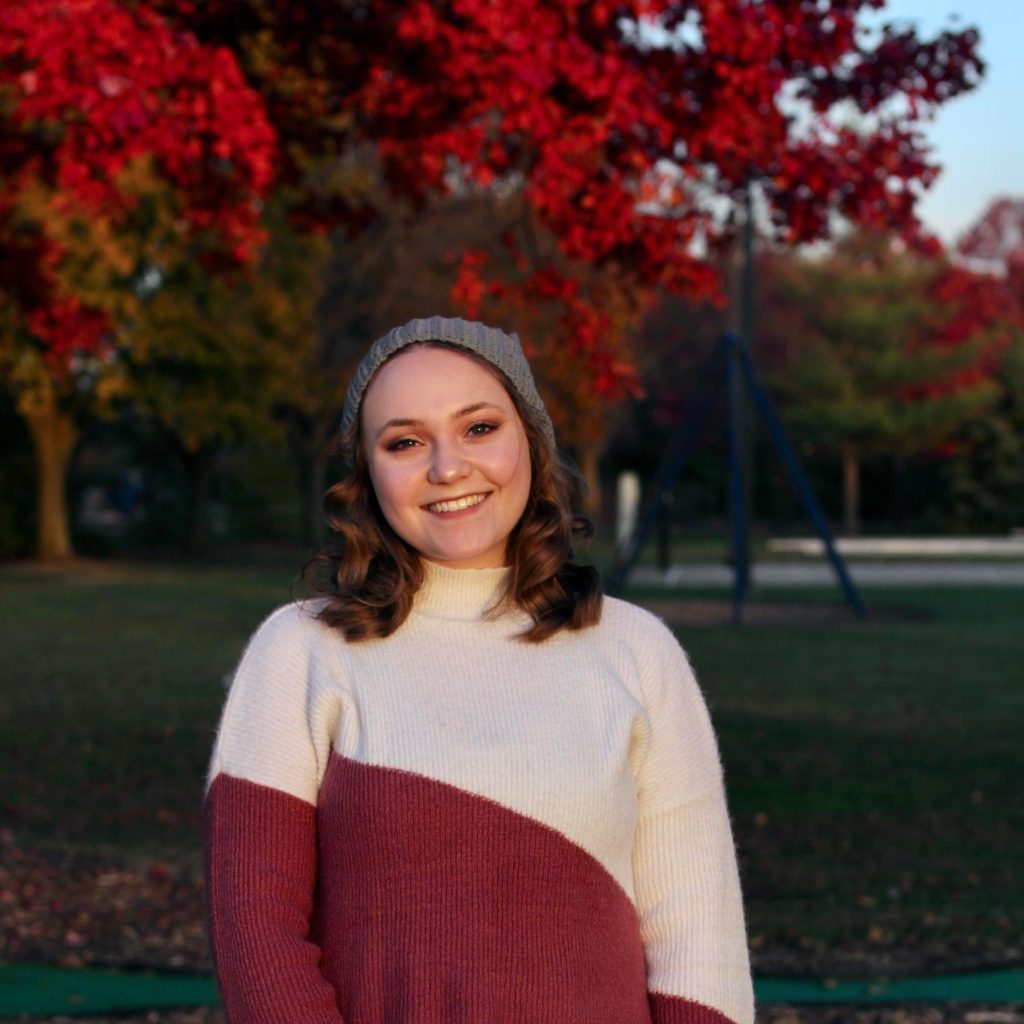
Meghan successfully defended her proposal and is now a PhD candidate! Congrats, Meghan!
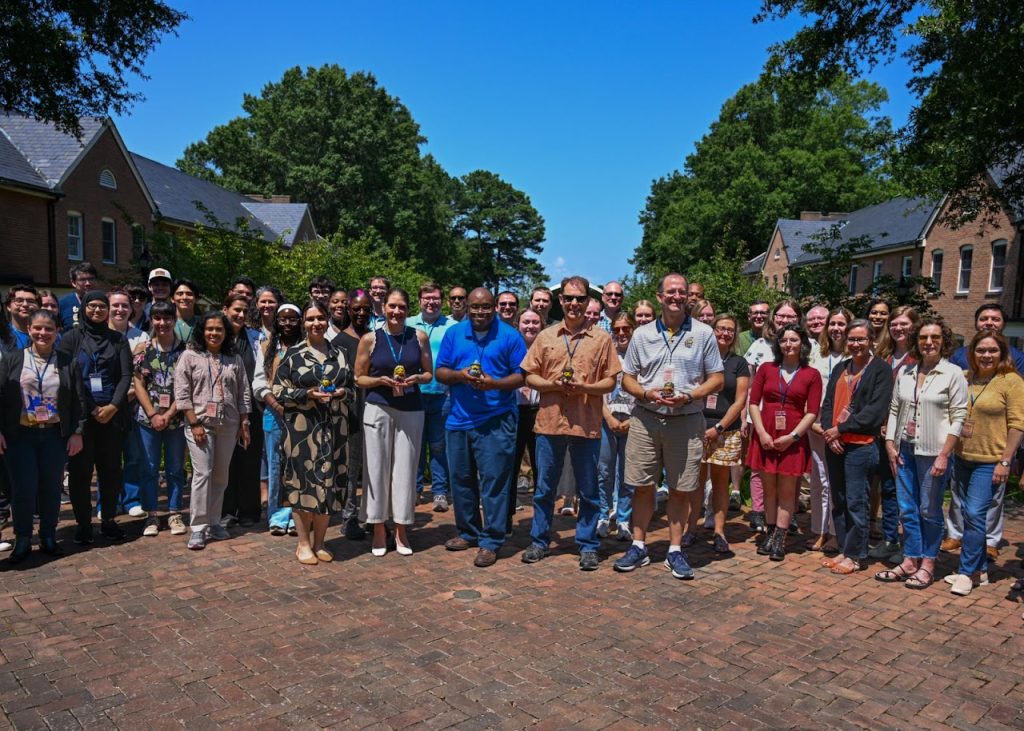
The Chemistry Laboratory Curriculum (CLC) Innovators program successfully completed its second Summer Institute! This year’s institute refined the program by dedicating more time to developing laboratory teaching materials and engaging in deeper discussions of Johnstone’s Triangle, science and engineering practices, and inquiry. Participants received pedagogical training and hands-on lab experience… Continue reading…
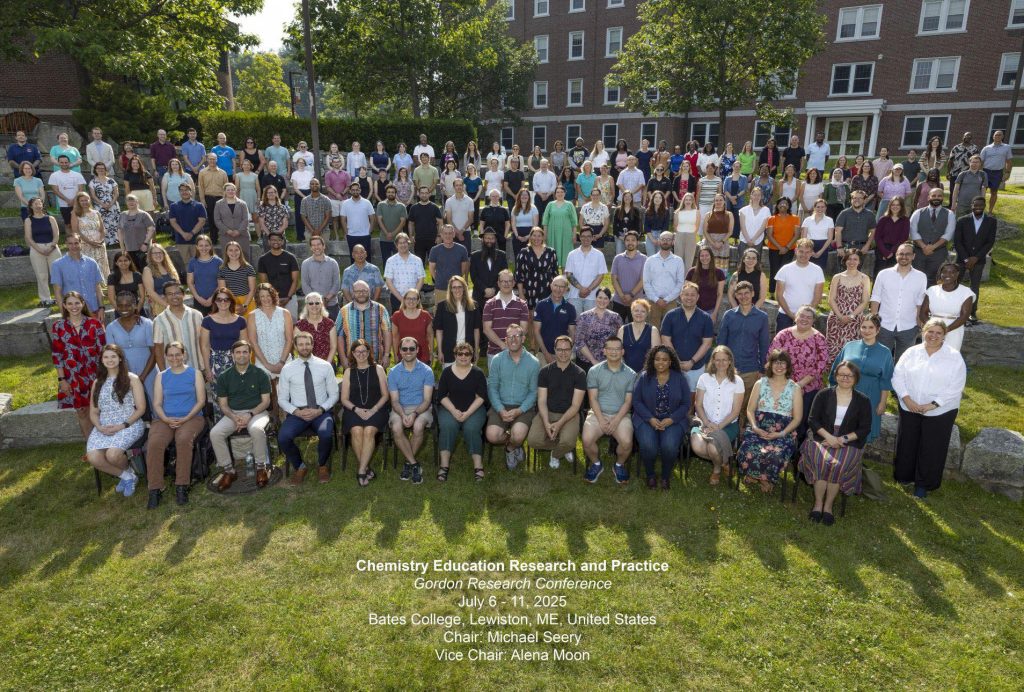
Maia was honored to give an invited talk, and Shanna, Roshni, and Meghan presented posters.
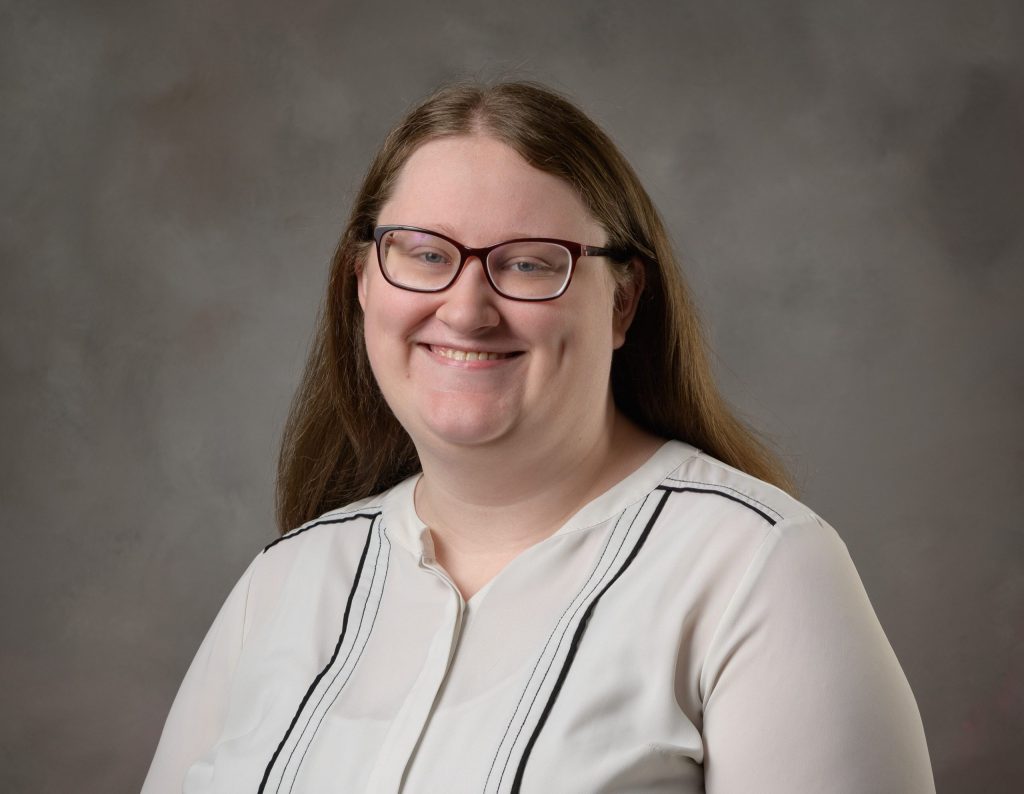
Our group is so excited to welcome Dr. Hannah Ericson! Hannah earned her Ph.D. from the Department of Genetics at the University of Georgia (UGA) under the supervision of Dr. Tessa Andrews. Her research examined STEM departments that are advancing their teaching evaluation practices, and especially the influence of the… Continue reading…
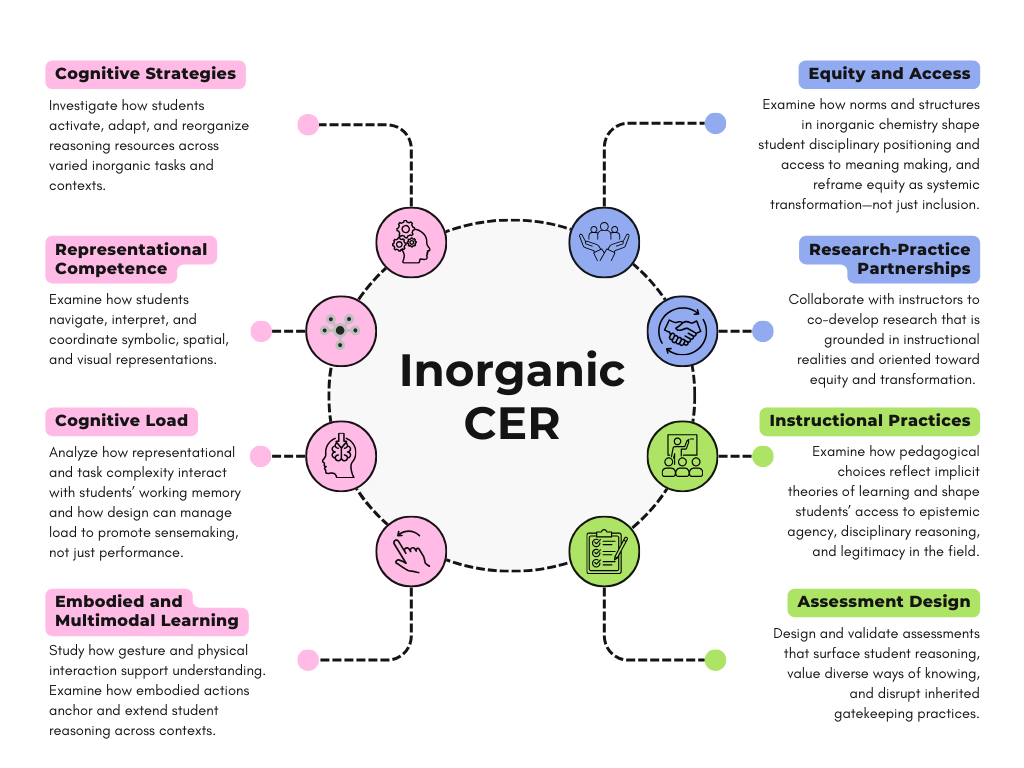
Pazicni, S.,* Popova, M., Making the case for inorganic chemistry education research: Insights from symmetry, Comments on Inorganic Chemistry, 1–19. https://doi.org/10.1080/02603594.2025.2523259 Chemistry Education Research has transformed how we understand and improve student learning in general and organic chemistry, but inorganic chemistry remains understudied. This gap persists even though inorganic instruction involves complex representational… Continue reading…
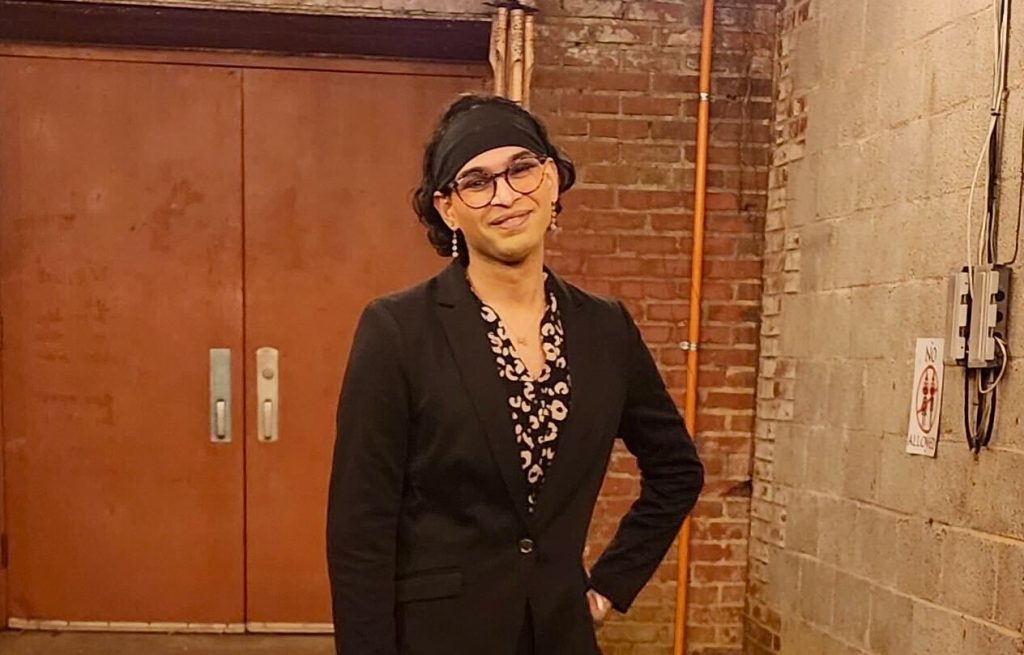
Congrats to Roshni on a successful proposal defense!
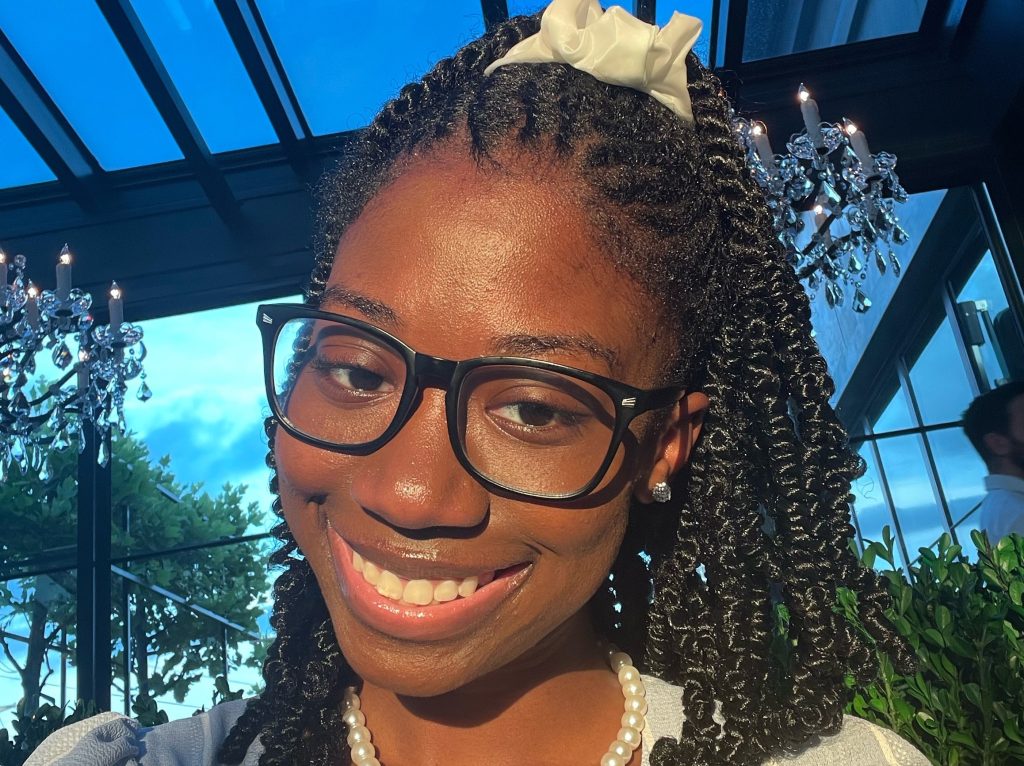
Congrats to Samiah on winning URCA with her proposal titled “Are We Testing What We Teach? Evaluating Alignment Between Instruction and Assessment in Teaching Molecular Symmetry.” Well done and keep up the fantastic work!
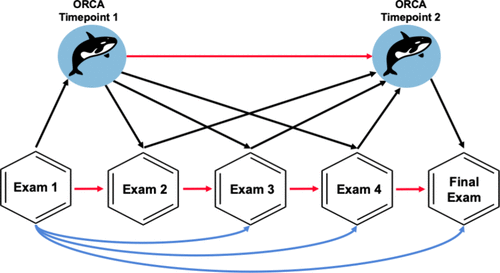
Crowder, C. J., Ward, L., Popova, M., Komperda, R., Rotich, F., Raker, J. R.*, Testing a reciprocal causation model between the Organic chemistry Representational Competence Assessment (ORCA) and academic performance in postsecondary organic chemistry. J. Chem. Educ., doi.org/10.1021/acs.jchemed.5c00169 Representations are an integral component of organic chemistry education and practice. Learning… Continue reading…
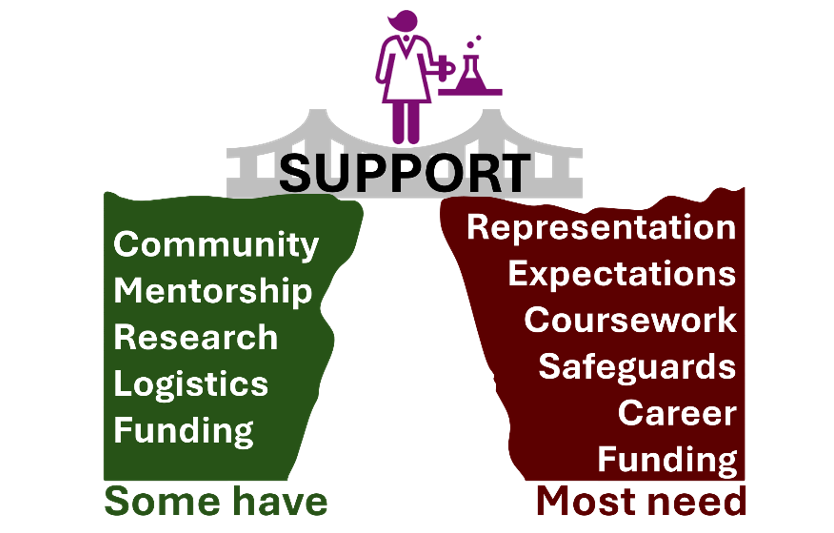
Jones, T., Ahmed, R., Cieza, E., Pratt, J. M.*, Popova, M.*, Resources and support for marginalized women in chemistry doctoral programs: What they had and what they needed. J. Chem. Educ., DOI: 10.1021/acs.jchemed.5c00274. Marginalized women now enter chemistry doctoral programs and earn more Ph.D. degrees than ever. As such, there is a growing emphasis… Continue reading…